Cross-Border Compliance with FlavorCloud
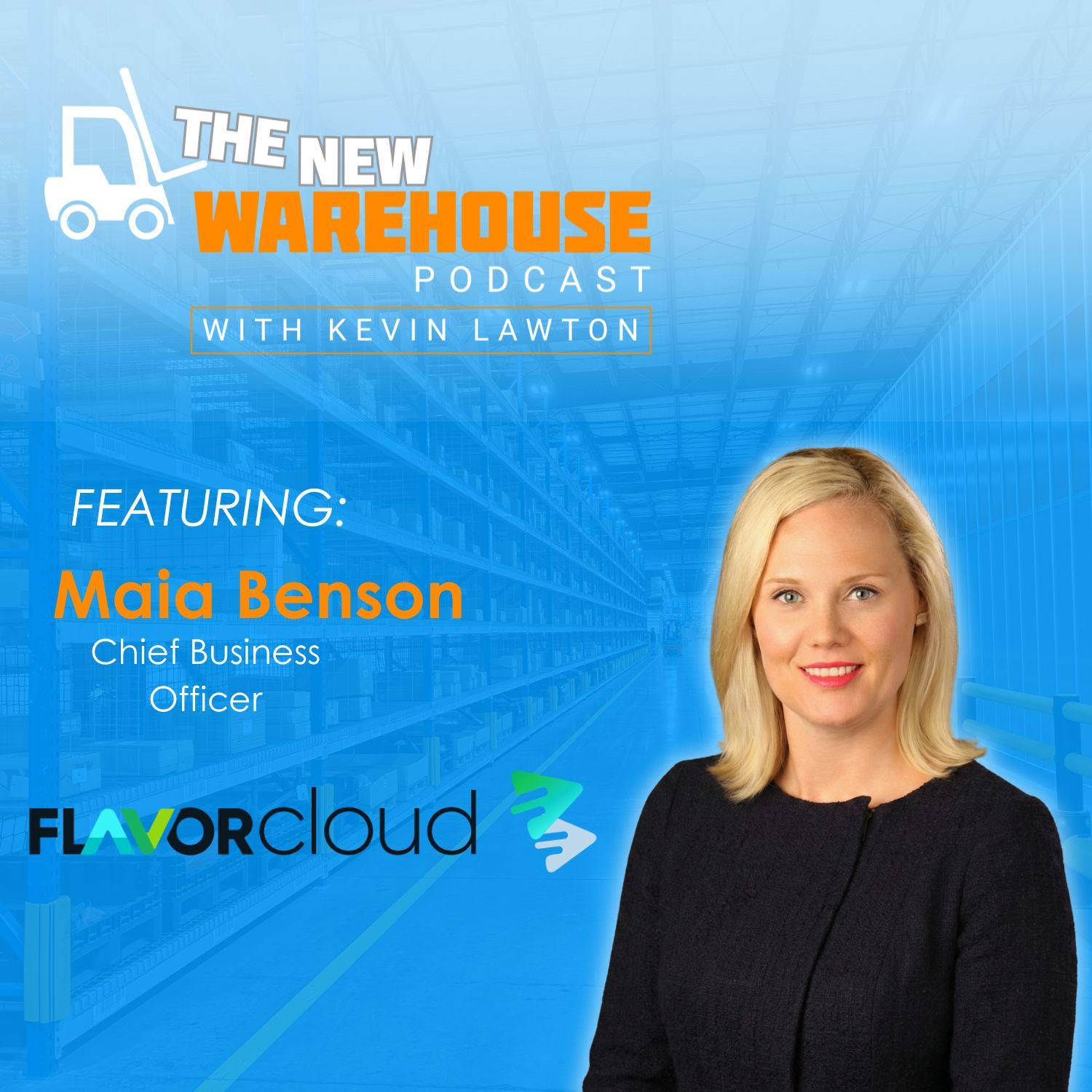
Welcome to this episode of The New Warehouse Podcast, where Kevin chats with Maia Benson, Chief Business Officer at FlavorCloud. Together, they discuss how tariffs, volatility, and regulation are reshaping global fulfillment. FlavorCloud is the ‘easy button’ for ensuring orders are fulfilled seamlessly around the globe. They help merchants and 3PLs manage cross-border logistics and compliance, acting as an abstraction layer between checkout and final delivery.
In this conversation, Maia explains why 2025 marked a turning point for cross-border compliance, how tariffs disrupted sourcing and margins, and what fulfillment leaders must prepare for in 2026.
Why Cross-Border Compliance Can’t Be an Afterthought
Companies have historically treated cross-border compliance as a logistics function. That mindset no longer holds. As Maia explains, “Every time you cross a border, you’re going into a country, a sovereign country that gets to make its own regulations, and so you need to be compliant.” In 2025, regulatory volatility exposed the risk of treating compliance as someone else’s problem. Tariffs shifted quickly, often changing weeks before enforcement, making it difficult for brands to predict margins or pricing.
Maia emphasizes the misunderstandings that come with tariffs. She notes, “Tariffs are assigned, pegged to what the HS code is, what the good is, as well as the country of origin. It doesn’t matter where it’s shipping from.” That distinction matters when compliance errors can erase profit entirely. The result is a new reality in which accurate data, documentation, and classification are foundational to improving international shipping.
Tariffs, Volatility, and Margin Pressure in 2025
Everyone knew there would be regulatory changes; the pace of change caught many brands off guard. Maia explains, “What has been surprising is just the volatility and the pace of change, with new regulations getting put out every two to three weeks, being slightly changed at the last minute.” Many brands absorbed tariff costs to protect customers, but that strategy has limits. According to Maia, “A lot of brands have stepped up and absorbed a lot of that tariff cost, and I don’t think that’s going to stand for 2026.”
She predicts pricing adjustments ahead as margins recover. The consequences were immediate when tariffs spiked early in the year. “You and I literally saw brands stop importing,” she says, adding, “It’s going to cost me more to import it than I can get on the sales side.” These moments forced leaders to rethink sourcing, pricing power, and exposure to country-of-origin risk.
Regionalized Inventory and the 3PL Opportunity
Rather than reshoring everything, many brands are changing where inventory lives. Maia describes a shift toward regionalization, explaining, “Why don’t I just bypass these borders with these volatile tariffs and go right to the center of demand?” This approach moves inventory closer to end consumers, reducing last-mile costs and tariff exposure. For 3PLs, this creates both risk and opportunity.
Maia notes that global shipping alone no longer differentiates providers. “It’s not just about global shipping anymore. You now have to comply,” she says. 3PLs that offer global footprints, compliance expertise, and predictable landed costs gain defensible advantages. Those capabilities allow partners to unlock new international demand while helping brands achieve cross-border success.
Key Takeaways on Cross-Border Compliance
- The HS code and country of origin determine the tariff, not the shipping location.
- Regulatory volatility in 2025 made margin forecasting difficult for brands.
- Many brands temporarily absorbed tariff costs, but price increases are likely in 2026.
- Regionalized inventory helps reduce tariff exposure and last-mile costs.
- Compliance has become a core fulfillment capability rather than a back-office task.
- 3PLs with global presence and compliance expertise now hold competitive moats.
Listen to the episode below and leave your thoughts in the comments.
Guest Information
For more information on FlavorCloud, click here.
To connect with Maia on LinkedIn, click here.
For more information about cross-border compliance and tariffs, check out the podcasts below.
615: Navigating Tariffs and Automation in Warehousing

European eCommerce Fulfillment Through a Global Lens » The New Warehouse
[…] Cross-Border Compliance with FlavorCloud […]