Yard Operations: The Most Overlooked Part of the Supply Chain
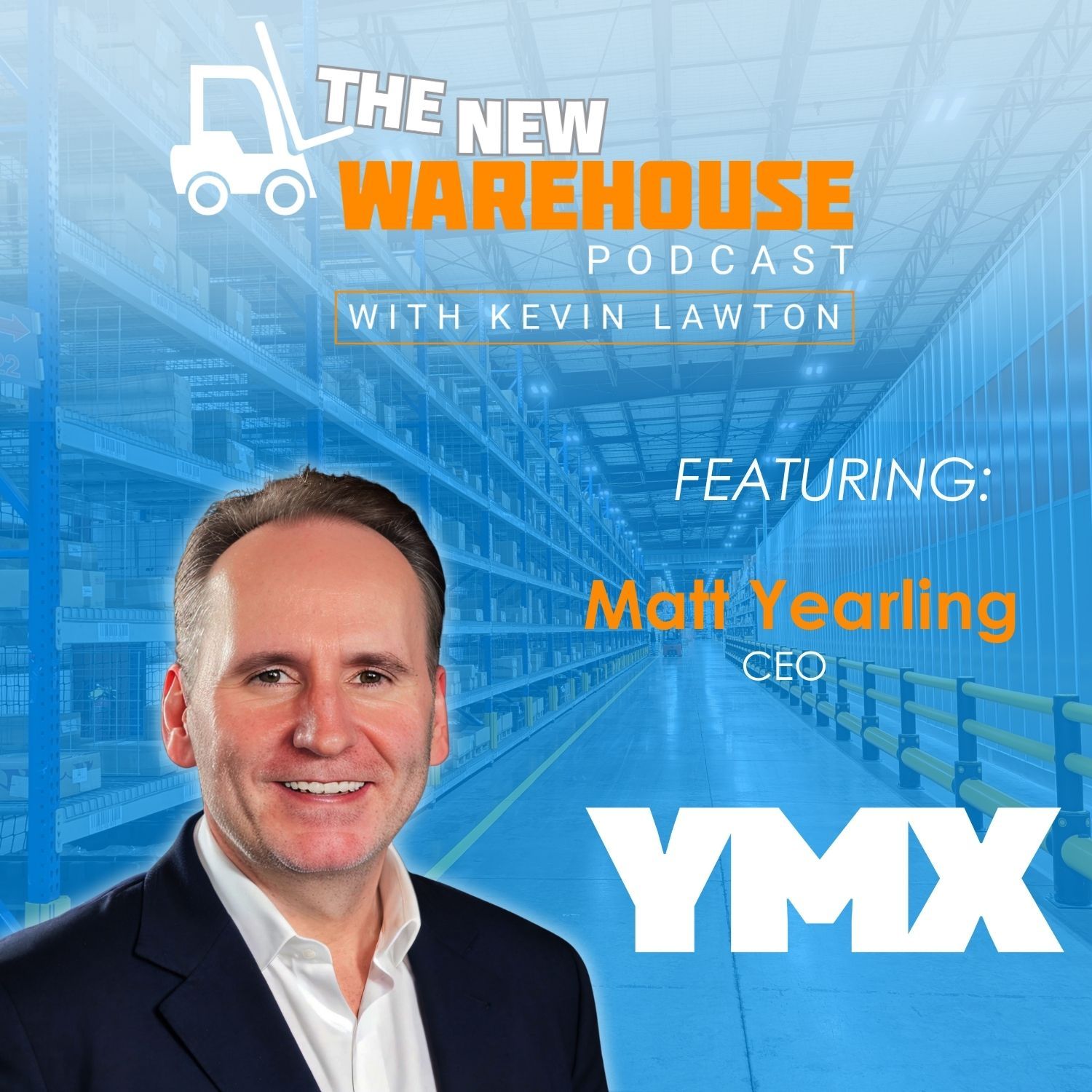
In this episode of The New Warehouse Podcast, Kevin Lawton welcomes Matt Yearling, CEO of YMX Logistics, to explore one of the most overlooked areas of warehouse and supply chain performance: yard operations. While most conversations focus on transportation or warehouse automation, the yard often sits in between—underutilized, under-optimized, and misunderstood.
Drawing from decades of experience in logistics, technology, and yard management, he explains why the yard represents one of the most significant untapped opportunities for operational improvement and how YMX is helping companies rethink what happens between the gate and the dock.
Yard Operations Are Widely Misunderstood
Yard operations rarely receive the same strategic attention as transportation or warehousing. According to Yearling, this blind spot exists across nearly every industry. “The vast majority of people really don’t understand the yard.” He explains that most organizations focus heavily on transportation spend or warehouse efficiency, while the yard falls into a gray area between the two. That lack of focus leads to major planning gaps.
While companies carefully design warehouse layouts and throughput models, they rarely apply the same rigor to yard sizing, flow, or operational strategy. “They know really how to scope out the sophistication and the throughput and the equipment and the structure within the warehouse. But they have no clue when it goes beyond the dock at all.”
This disconnect creates inefficiencies that ripple across operations. Delays at the gate, misplaced trailers, and poor yard visibility often become accepted as normal, even though they directly impact dock productivity, labor utilization, and customer service.
Why Yard Optimization Drives Real Operational Value
Yearling explains that real value comes from viewing the yard as an integrated operating system rather than a standalone function. “Unless you’re looking at this in a vertically integrated way, you’re not necessarily going to recognize the value of all of the elements that are appropriate for each specific customer and industry,” he says. In many operations, most costs sit with assets and labor, and value is unlocked only when those are aligned with the right technology.
That alignment is what drives results. “It’s that intersection between technology enablement and operations that drives optimization and value,” Yearling explains. Rather than focusing on a single tool, YMX looks at the whole system—from the gate to the dock—and how each piece works together.
This approach changes how we view value. “The initial value proposition isn’t where the value is,” he says. “It’s the value you create post-deployment.” By continuously improving how yards operate, organizations begin to see lasting gains that extend well beyond the yard itself.
Technology, EVs, and the Future of Yard Operations
Yearling views yard operations as an integrated system, not a collection of disconnected tools. That mindset shapes how YMX approaches technology, especially in equipment selection and long-term performance. One area where that philosophy is most visible is in electric yard trucks. While EV integration often raises cost concerns, Yearling points out that yard operations are uniquely suited for them. “The average yard truck only drives 10 to 15 miles a day. It’s the perfect use case for an EV.”
The benefits extend well beyond sustainability. From a reliability standpoint, EVs have proven remarkably durable in yard environments. “They’ve had assets out there for more than ten years and haven’t had a single battery replacement,” he explains. That reliability also improves the driver experience. “Drivers fight over using them. The experience is just better.”
Looking ahead, Yearling sees opportunity in automation and computer vision, particularly to improve visibility and gate activity. Still, he cautions against unrealistic expectations. “You can’t just automate the entire yard. There’s too much complexity.” Instead, progress comes from targeted automation and better orchestration of people, processes, and data.
Key Takeaways
- Yard operations remain one of the most misunderstood areas of supply chain performance.
- Many companies underestimate the impact of the yard on cost, throughput, and service.
- Most yard inefficiencies stem from process gaps, not labor shortages
- Yard optimization requires combining operations, technology, and visibility
- Electric yard trucks offer a strong ROI due to low daily mileage and high reliability
- Computer vision and data capture will play a growing role in yard efficiency
- Full automation isn’t realistic yet, but incremental improvements deliver major gains
Listen to the episode below and leave your thoughts in the comments.
Guest Information
For more information on YMX Logistics, click here.
To connect with Matt Yearling on LinkedIn, click here.
For more information about yard operations, check out the podcasts below.
606: Automating Yard Operations with Outrider